
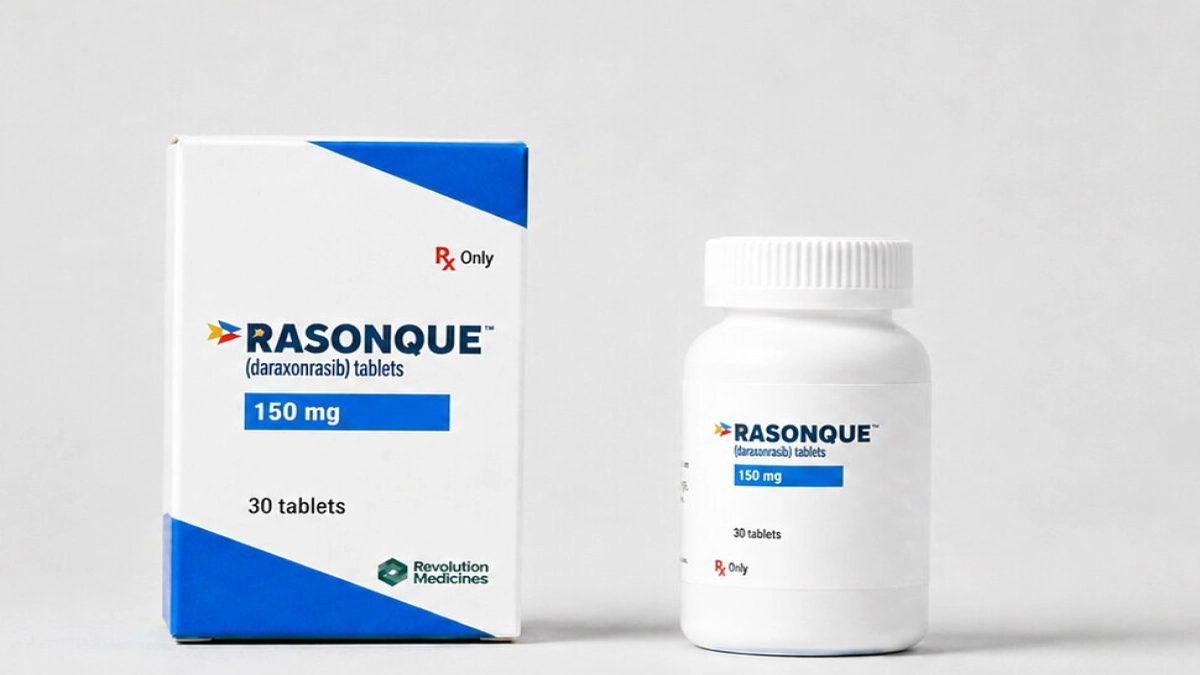
A New Hope for Pancreatic Cancer Patients
Pancreatic cancer is one of the toughest cancers to treat. It often goes unnoticed until it reaches an advanced stage, and treatment options have been limited. But there's exciting news: the U.S. Food and Drug Administration (FDA) has approved a new drug called Daraxonrasib to help fight this disease. This approval brings fresh hope to patients and doctors alike.
In this article, we'll break down what Daraxonrasib is, how it works, and whether it's available in Bangladesh. We'll also share a link to the study that led to its approval, so you can read the details yourself.
What is Daraxonrasib?
Daraxonrasib is a targeted therapy designed to attack a specific genetic mutation found in some pancreatic cancer cells. It belongs to a class of drugs called KRAS inhibitors. KRAS is a gene that, when mutated, can cause cells to grow out of control and form tumors. About 90% of pancreatic cancers have a KRAS mutation, making it a prime target for treatment.
Unlike traditional chemotherapy, which kills all rapidly dividing cells (including healthy ones), Daraxonrasib specifically targets the mutated KRAS protein. This means it can be more precise and potentially cause fewer side effects.
How Does Daraxonrasib Work?
Think of KRAS as a switch that tells cells to grow. In normal cells, this switch turns on and off as needed. But when KRAS is mutated, the switch gets stuck in the 'on' position, leading to uncontrolled cell growth. Daraxonrasib works by fitting into a pocket on the mutated KRAS protein and locking it in the 'off' position. This stops the cancer cells from multiplying and can even cause them to die.
This type of therapy is often called 'precision medicine' because it's tailored to the specific genetic makeup of a person's tumor. Before starting Daraxonrasib, doctors will test the tumor to see if it has the specific KRAS mutation that the drug targets.
What Did the Study Show?
The FDA approval was based on a clinical trial that included patients with advanced pancreatic cancer who had already tried other treatments. In the study, Daraxonrasib shrank tumors in a significant number of participants, and some patients saw their cancer stop growing for several months. The most common side effects included fatigue, nausea, and changes in liver function tests, but many patients tolerated the drug well.
You can read the full study results here: NEJM Study on Daraxonrasib (please consult your doctor for the latest information).
Is Daraxonrasib Available in Bangladesh?
As of now, Daraxonrasib has been approved by the FDA, but it may not yet be available in Bangladesh. Drug approvals and availability depend on each country's regulatory authority, such the Directorate General of Drug Administration (DGDA) in Bangladesh. It may take time for Daraxonrasib to be registered and marketed locally.
If you or a loved one is interested in this treatment, here are some steps you can take:
- Talk to your oncologist about whether Daraxonrasib could be a good option for your specific cancer.
- Ask if your hospital or clinic has access to this drug through clinical trials or special import programs.
- Keep an eye on updates from the DGDA regarding new cancer drug approvals.
- Consider seeking a second opinion from a specialist at a major cancer center in Dhaka or abroad.
It's also worth noting that even if the drug is not yet available locally, some patients may be able to access it through compassionate use programs or by participating in international clinical trials. Your doctor can guide you on the best path forward.
What Does This Mean for Patients?
The approval of Daraxonrasib is a significant step forward in the fight against pancreatic cancer. It offers a new, targeted option for patients who have limited choices, especially those with the specific KRAS mutation. While it's not a cure, it can help control the disease and improve quality of life for some patients.
For patients in Bangladesh, the availability may be limited for now, but it's a sign that new treatments are on the horizon. As global research advances, it's likely that more targeted therapies will become accessible in the country over time.
Important Note
This article is for informational purposes only and does not replace medical advice. If you or someone you know is considering Daraxonrasib or any other cancer treatment, please consult a qualified doctor or oncologist. They can provide personalized guidance based on your health condition and the latest medical evidence.
We hope this gives you a clearer understanding of this new drug and its potential impact. Stay informed, stay hopeful, and always make healthcare decisions with the help of trusted medical professionals.