
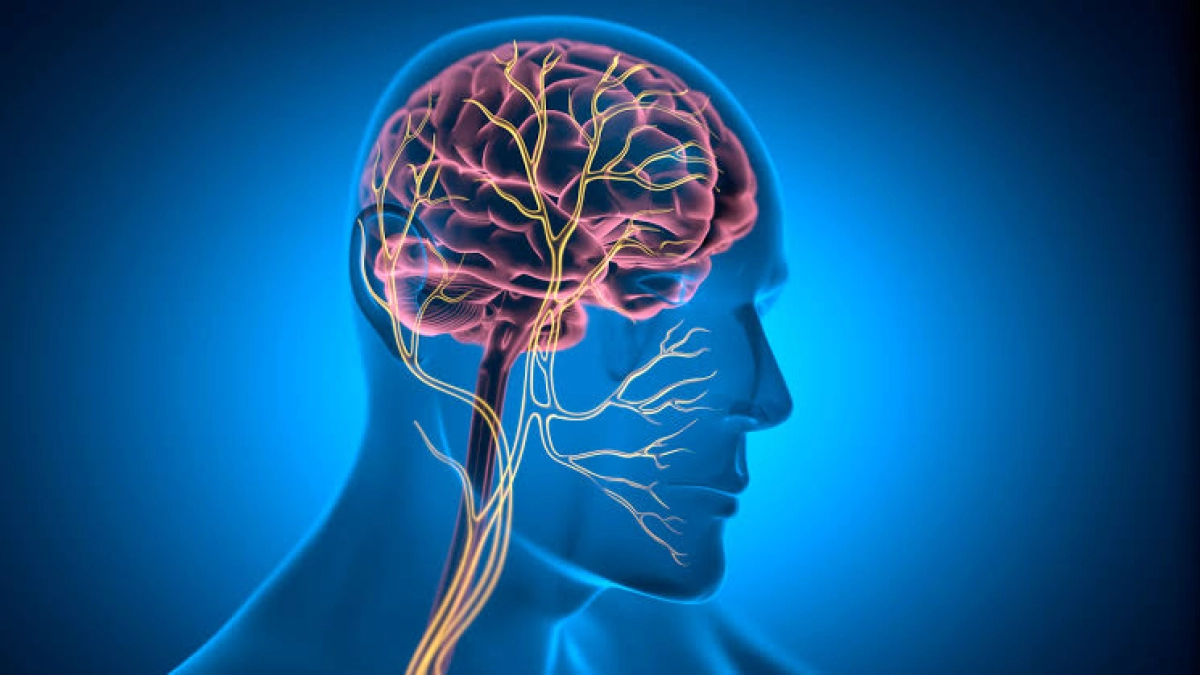
What Is the Vagus Nerve?
Your body has a complex network of nerves that help you move, feel, and function. Among them, the vagus nerve stands out because it is one of the longest and most far-reaching. It is one of 12 pairs of nerves that start in the brain and travel to different parts of the body. The vagus nerve runs from the brainstem down through the neck and into the chest and abdomen. It connects to your heart, lungs, and digestive tract, and it also plays a role in your sense of taste, swallowing, and speaking.
Because the vagus nerve links the brain to so many vital organs, it acts as a major communication highway. It helps regulate automatic functions like heart rate, breathing, and digestion, and it is a key part of the brain-gut connection. When your vagus nerve is working well, it helps your body stay balanced and calm. When it is not, it can affect your overall health and well-being.
What Is Vagus Nerve Stimulation?
Vagus nerve stimulation, often called VNS, is a treatment that uses electrical impulses to activate the vagus nerve. The idea is that by sending gentle signals to this nerve, you can influence the brain and organs it connects to, potentially helping with certain health conditions.
There are two main types of VNS: invasive and noninvasive. Invasive VNS requires surgery to implant a device under the skin, usually in the chest, with a wire that wraps around the vagus nerve in the neck. This type is approved for some cases of epilepsy and depression that do not respond to other treatments.
Noninvasive VNS, on the other hand, does not require surgery. These devices are worn on the outside of the body, often on the ear or neck, and deliver electrical pulses through the skin. Some are available by prescription, while others are sold directly to consumers. Researchers are still studying how well these noninvasive devices work and which conditions they might help.
Potential Health Benefits of VNS
Because the vagus nerve affects so many systems, researchers are exploring VNS for a wide range of conditions. Some of the areas being studied include:
- Epilepsy: VNS has been used for years to reduce the frequency of seizures in people with hard-to-treat epilepsy.
- Depression: For some people with treatment-resistant depression, VNS may help improve mood and reduce symptoms.
- Inflammation: The vagus nerve helps regulate the body's inflammatory response, so VNS might help with conditions linked to chronic inflammation.
- Digestive issues: Since the vagus nerve is so involved in digestion, VNS could potentially help with conditions like irritable bowel syndrome (IBS) or gastroparesis.
- Heart health: VNS may help regulate heart rate and blood pressure, which could be beneficial for people with certain heart conditions.
- Anxiety and stress: Some research suggests that VNS might help calm the nervous system and reduce anxiety, though more studies are needed.
It is important to note that many of these potential benefits are still being researched. Just because a device is sold online does not mean it has been proven to work for these conditions. Always talk to a qualified doctor before trying VNS, especially if you have a medical condition or take medications.
At-Home Vagus Nerve Stimulation: What to Know
With the growing interest in the vagus nerve, many companies now offer noninvasive VNS devices for home use. You may also see videos and articles about “vagus nerve hacks” that claim to boost your health by stimulating the nerve through breathing exercises, cold water, or humming. While some of these activities may have mild benefits, they are not the same as medical-grade VNS.
If you are considering buying a noninvasive VNS device, keep these points in mind:
- Check the evidence: Look for devices that have been studied in clinical trials and approved by regulatory bodies like the FDA. Many consumer devices have not been rigorously tested.
- Consult your doctor: Your healthcare provider can help you understand if VNS is safe for you and whether it might be worth trying. They can also guide you on proper use.
- Be cautious of claims: If a product promises to cure multiple conditions or replace your medical treatment, be skeptical. Always rely on advice from qualified professionals.
- Understand the risks: Even noninvasive VNS can have side effects, such as skin irritation, tingling, or changes in voice. In rare cases, it could affect heart rhythm. Do not use VNS without medical supervision if you have a pacemaker or other implanted device.
The Bottom Line
The vagus nerve is a fascinating and important part of your body, and VNS holds promise as a therapy for several conditions. However, the science is still evolving, and not all at-home devices are proven to work. If you are curious about VNS, the best first step is to talk to your doctor. They can help you weigh the potential benefits and risks and decide if it is right for you. Remember, your health is too important to rely on internet trends alone. Always seek professional medical advice before starting any new treatment.